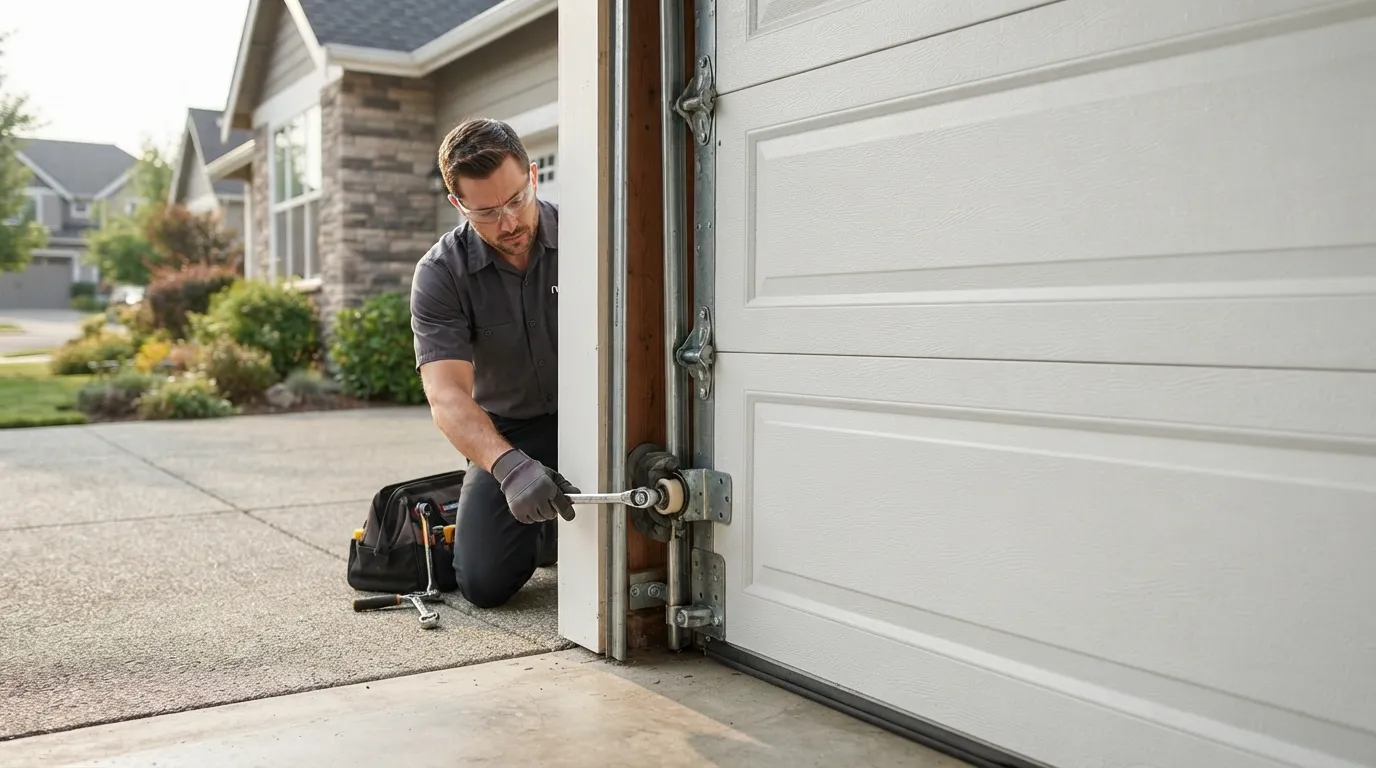
This region sits in a severe-heat climate band, and that matters more for rollers than most owners expect. Steel expands and contracts with the daily swing between a hot slab and a hot afternoon door skin, and on a plain-bearing roller that cycle grinds away whatever lubrication is left in the bearing faster than it would in a milder climate. Once the bearing dries out, the roller stem takes direct metal-on-metal friction every time the door runs, and that's what turns into the grinding you hear and, eventually, a snapped stem.
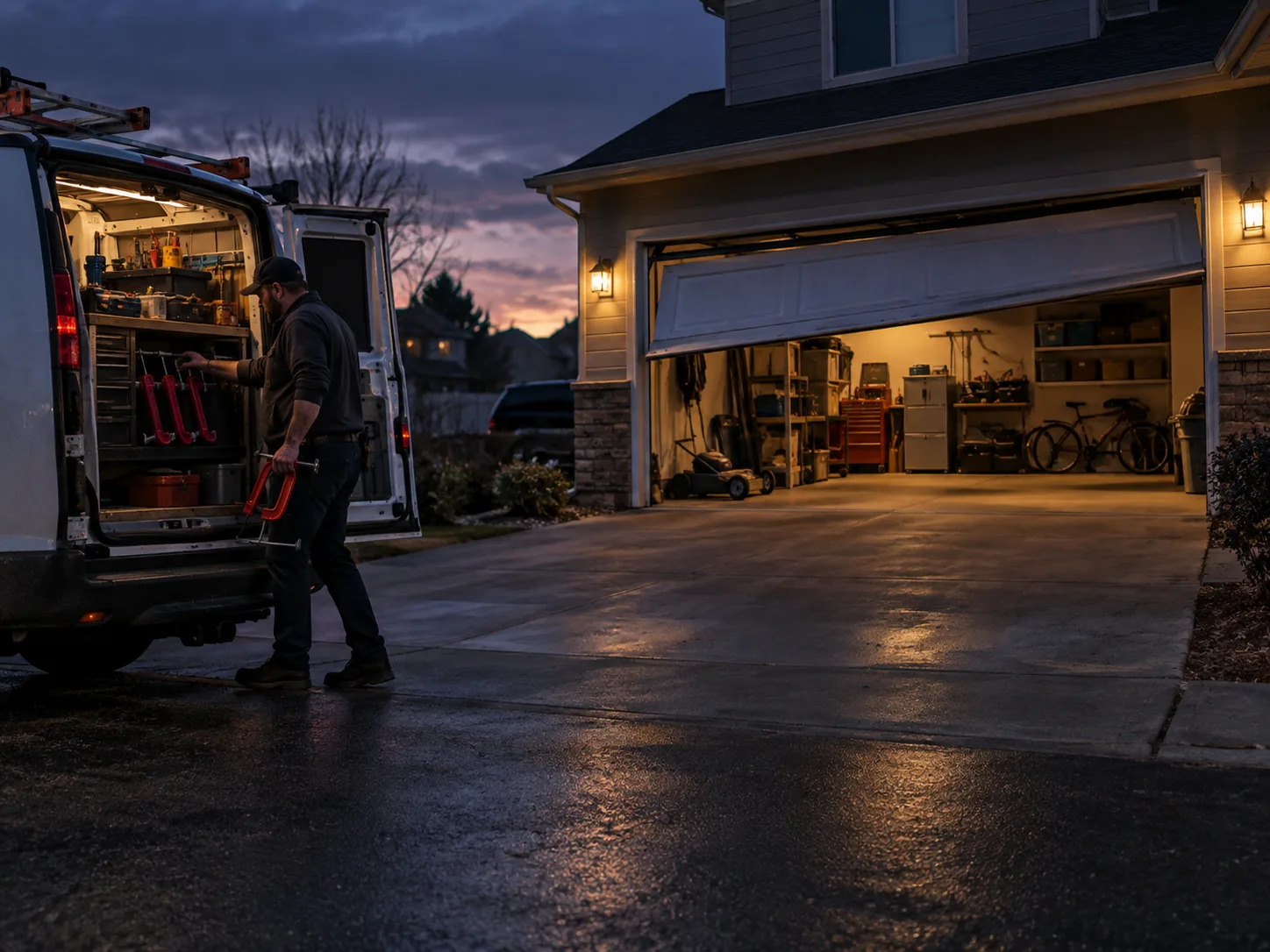
On a 1990-built door, that wear has had three decades of heat cycles to work on it, which is longer than the roller hardware of that generation was ever spec'd for. This isn't a problem unique to one house - it's a problem built into the hardware and the climate together, and it shows up on nearly every original-roller door in this age bracket sooner or later.