
Guide
Why So Many Peoria Garage Doors Skip Insulation
Most Peoria garage doors date to 1979-2005, built before insulated doors were standard. In Arizona's severe heat, that gap costs comfort and opener life.
Local detail
What Local Conditions Do
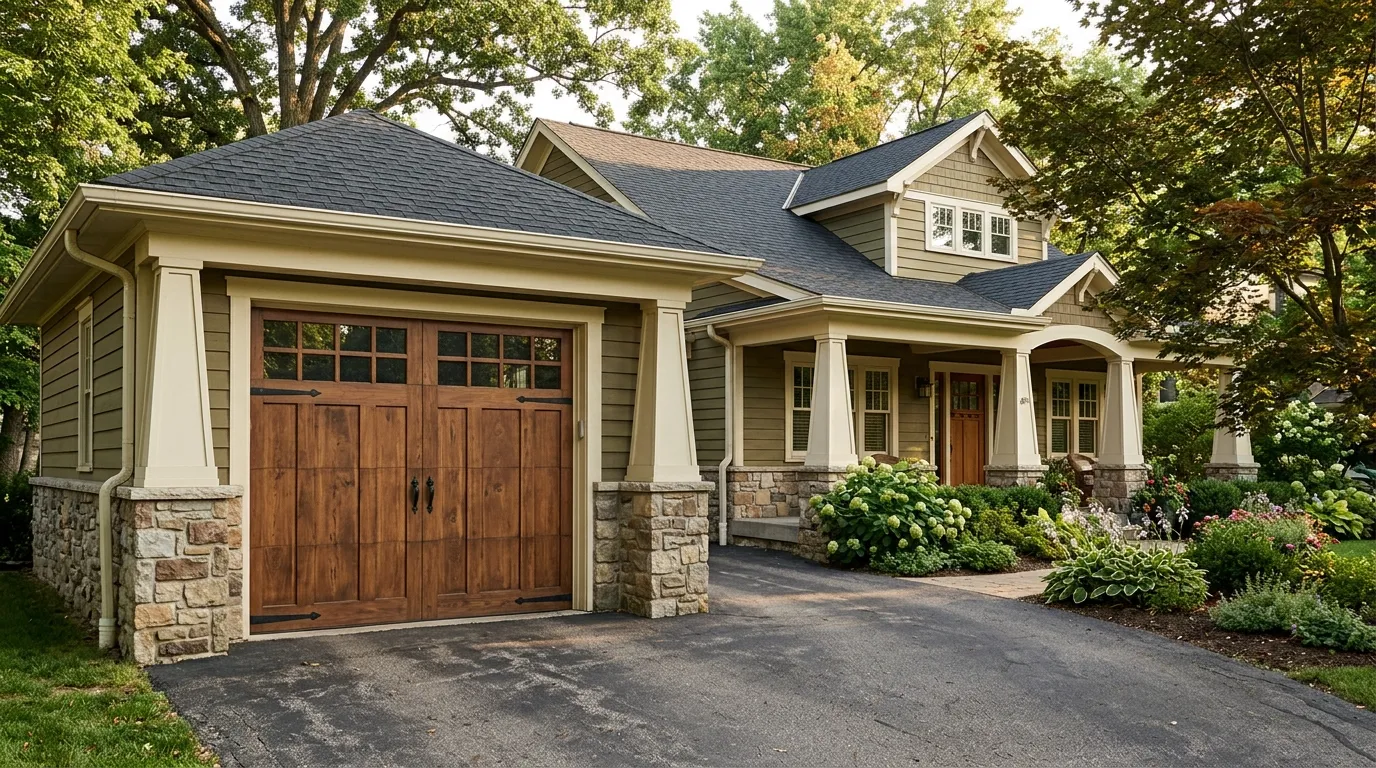
Peoria's housing stock runs 1979 to 2005, with a median build year of 2002, and that boom stretched across nine named growth areas - places like Vistancia three miles southwest, Trilogy at Vistancia just past it, and Stetson Valley eight miles east-southeast. Builders in that window met the era's energy codes for walls, windows, and roofs, but garage doors were never part of that code. A steel door with no foam core went in on thousands of houses because nothing required otherwise.
That matters here because Peoria sits in a severe-heat climate band. A bare steel panel absorbs sun all afternoon and radiates it straight into the garage, then cools fast after dark. That swing works the torsion spring harder than a shaded door would, dries out roller bearings, and pushes opener motors to run in air that's already hot before the door even moves. None of this is a defect. It's just what an uninsulated door does in this specific heat, on houses this age, in numbers this large across a service area with 40,189 owner-occupied houses.

The area
The Cost of This Job
We don't have a price list to hand you here, so we won't invent one. What we can tell you is what drives the number up or down on a job like this. A basic panel swap costs less than a full insulated-door replacement, and a retrofit insulation kit on an existing door frame costs less than either if the door and hardware are still sound. Where a house sits in that 1979-2005 window matters too - the earlier builds in this run are more likely to have single-layer doors with no room for an added core, which pushes the job toward full replacement instead of a kit.
At a median household income of $74,764 across the service area, most owners here can plan for a retrofit or a replacement without treating it as an emergency purchase - but ignoring cracked weatherstripping or a spring that's already cycling rough for another summer usually turns a smaller job into a bigger one. We'll tell you straight which side of that line your door is on before we quote anything.
What we find
The Seasonal Bit
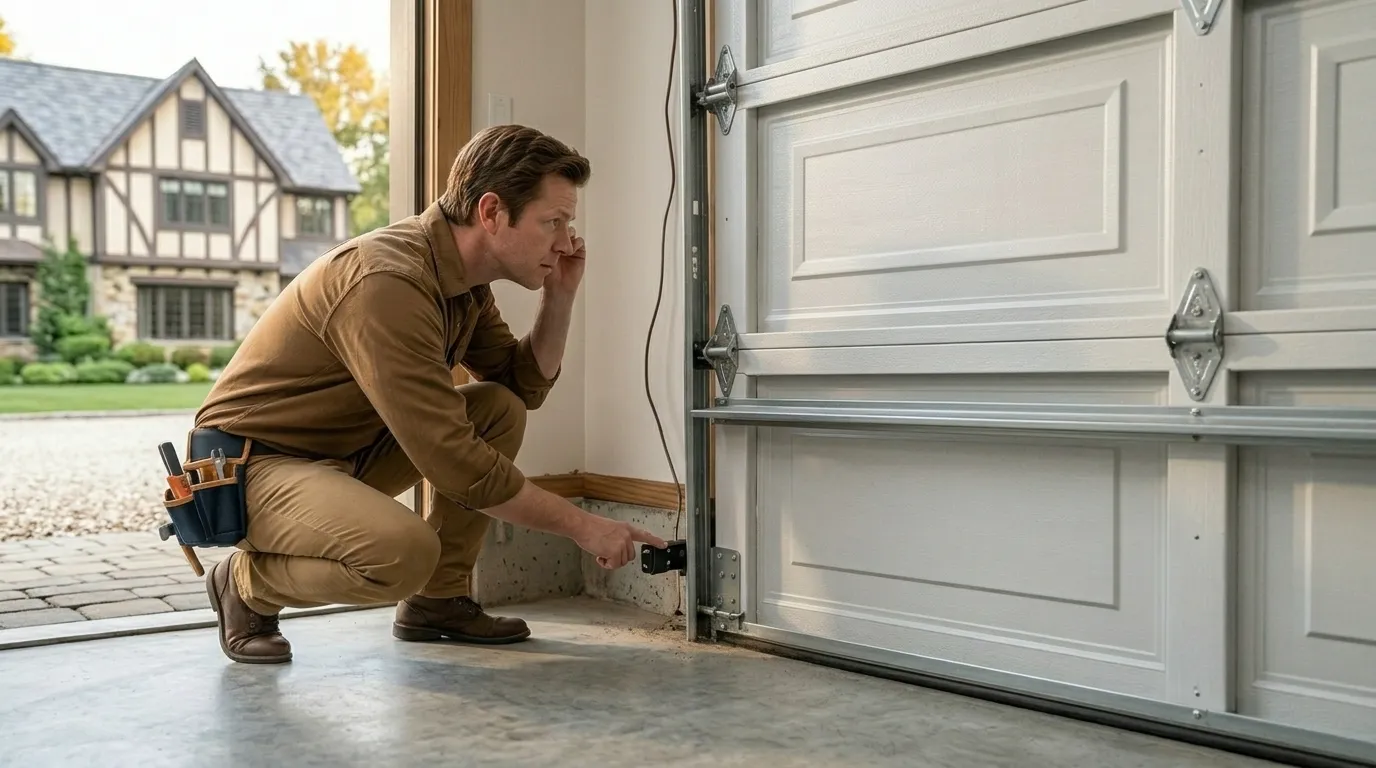
Summer here isn't gentle on a garage door, and the severe-heat rating on this area isn't decorative. A torsion spring holding up a heavy double door works through more expansion and contraction cycles in one Peoria summer than it would somewhere with a milder band, because the steel itself is heating and cooling by a wider margin every day. Openers built into a hot garage run their motors in air that's already elevated before the door lifts, which shortens the working life of the gears and the sensor wiring both.
Rollers and hinges take it too. Nylon rollers get brittle faster in sustained heat, and the lubricant on hinges and tracks breaks down quicker than it would in a cooler climate. None of this is unique to any one house - it's the same story across the 1979-2005 stock that makes up most of this area, whether the door in question sits in Stetson Valley, North Gateway, or closer in toward the older part of town. The fix isn't exotic: shade where you can get it, lubricant on a real schedule, and a door that isn't asking a bare steel skin to do a job it was never built for.
How we work
What Is Going On
Here's the plain version. Energy codes tightened after the 1970s and kept tightening through the decades Peoria was mostly built in, but garage doors sat outside almost all of that. Walls, attic insulation, and window ratings improved steadily from 1979 through 2005; the door bolted into that same wall usually didn't. So a house built in 2002 - the median year for this area - can have a well-insulated shell wrapped around a garage door that's just painted steel and air.
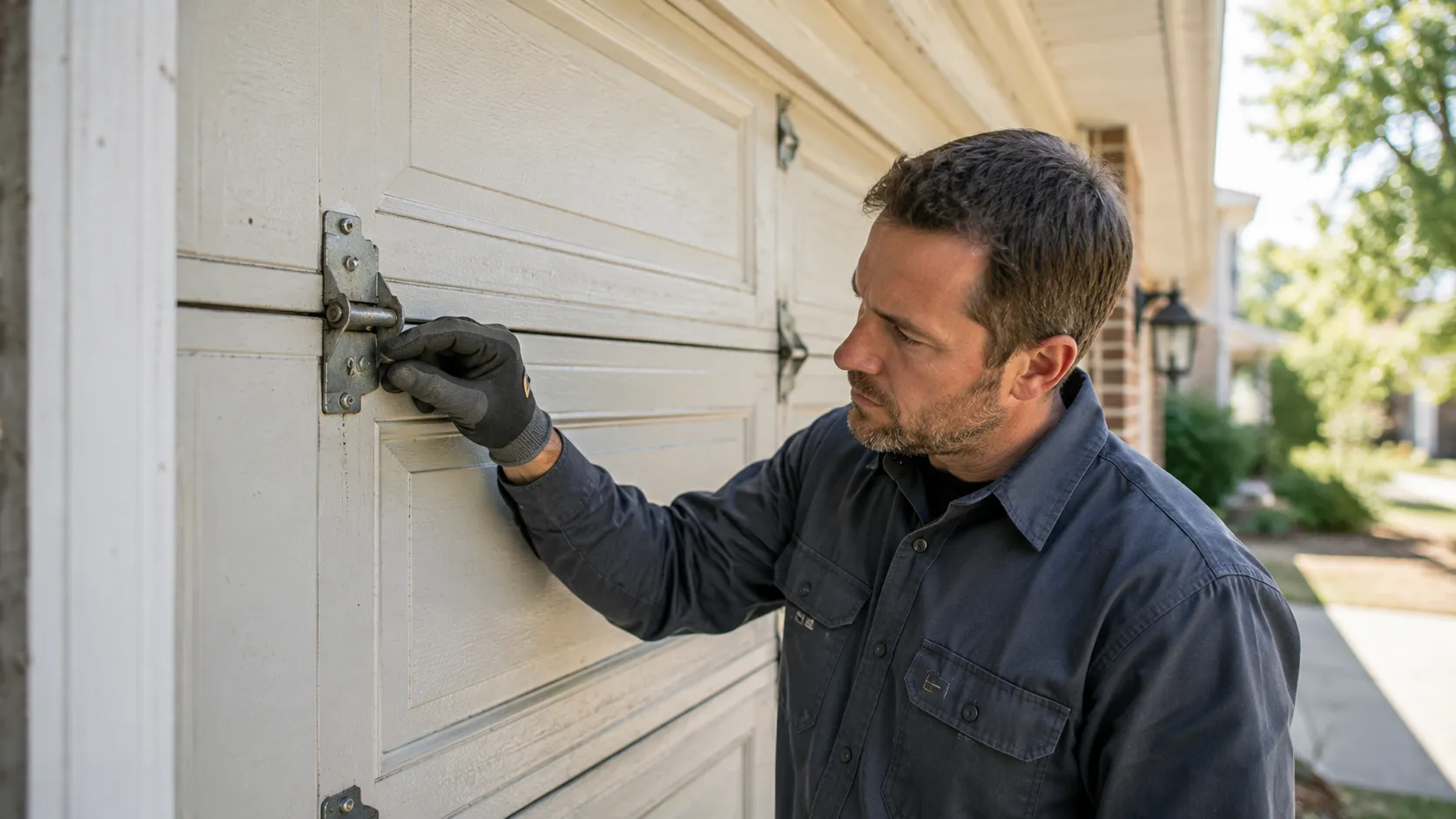
That gap is the actual story behind most of the calls we get about a garage running hot or an opener struggling in July. It isn't a broken part most of the time. It's a door doing exactly what an uninsulated door does, on a house from exactly the era when that was still allowed. We'll be honest about the limit here too: insulating a door that's already warped, rusted at the bottom panel, or running on a bent track isn't worth doing - that's a replacement conversation, not a retrofit one, and we'll say so rather than sell you a kit that won't hold.
Questions
Common questions
Were garage doors required to be insulated when my Peoria house was built?
No. Peoria's housing mostly went up between 1979 and 2005, a period when energy codes tightened for walls, windows, and attics but never included garage doors. A house from that window can meet code everywhere except the door, which is why so many original doors here are bare steel with no foam core.
Does the heat here actually shorten the life of garage door parts?
Peoria sits in a severe-heat climate band, and an uninsulated steel door swings temperature hard every day. That daily cycling works torsion springs harder, dries roller lubricant faster, and makes opener motors run in already-hot air. It's a slow wear pattern more than sudden failure, but it adds up across a summer.
Should I retrofit my existing door or replace it?
Depends on the door. If the panels and track are sound, a retrofit insulation kit usually costs less than full replacement. If the door is already warped, rusted, or running on bent track, insulating it isn't worth doing - that's when replacement makes more sense than patching.
Are all the growth areas around Peoria on the same 1979-2005 stock?
Most of them. The nine named areas in this service area, including Vistancia, Trilogy at Vistancia, and Stetson Valley, are largely 2000s construction, which means the same era of doors and the same insulation gap. Older pockets closer to the original town center vary more.
Ready when you are
Need a garage door sorted in Peoria?
Peoria Garage Door Pros repairs and installs garage doors, springs and openers in Peoria, AZ and the surrounding area.