
Guide
When a Peoria Garage Door Is Worth Fixing, and When It Isn't
Most Peoria homes date to 1979-2005. Here's how that build era and the desert heat decide whether your garage door is worth repairing or replacing.
Local detail
What Local Conditions Do
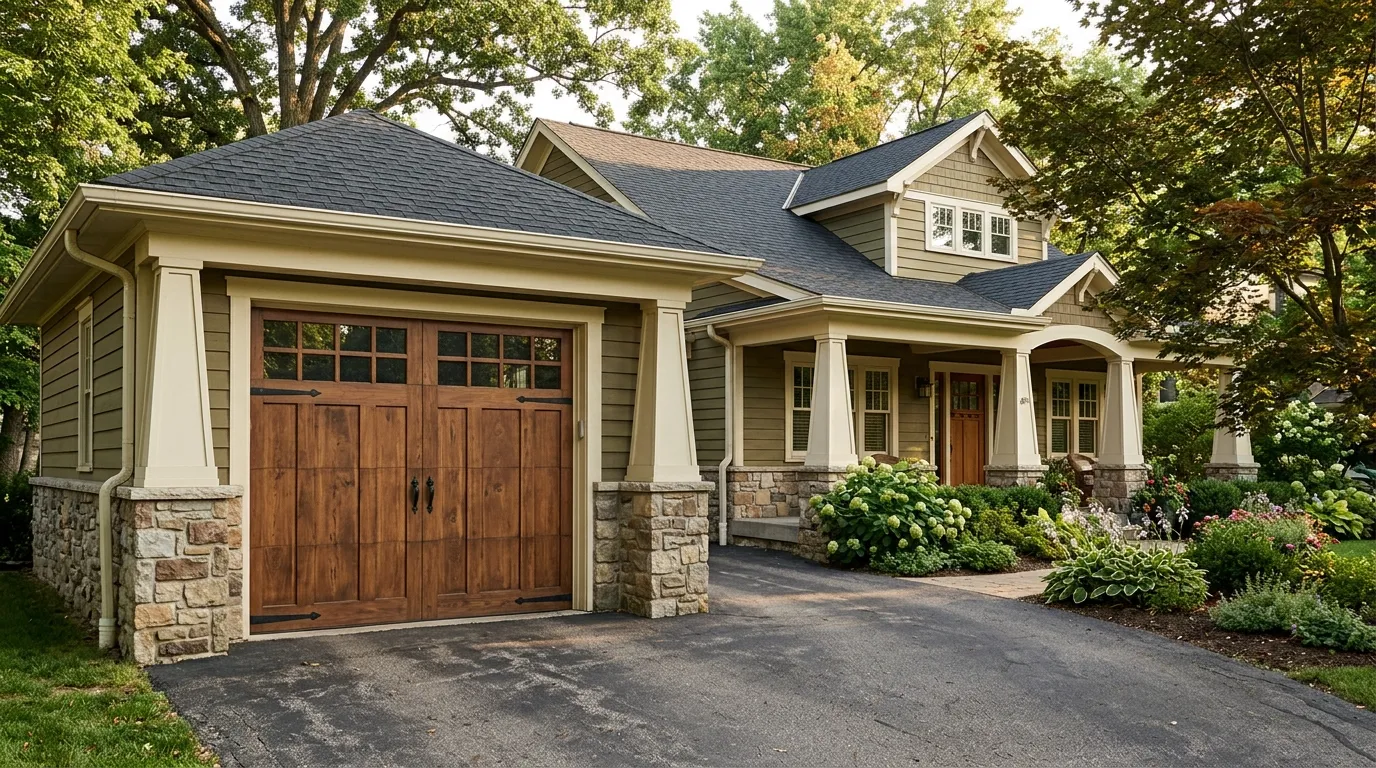
Most houses in this service area went up between 1979 and 2005, with the typical build year landing around 2002. That's a specific window, and it matters because doors and openers from that era share the same weak points: steel torsion springs rated for a certain cycle count, extension cables that stretch, and openers with drivetrains that were never built to run in Arizona heat for two decades straight. Newer sections closer to Vistancia and Trilogy At Vistancia skew toward the tail end of that range, so those doors are younger and usually still worth a repair.
Homes on the older end of the 1979-2005 spread are the ones where we start weighing repair against replacement, because the hardware is closer to the end of its rated life, not because the door looks bad. A door that's cosmetically fine can still have a spring wound to fail, and a door with faded paint can still have a sound torsion system underneath. The build year tells us more than the appearance does.

The area
The Cost of This Job
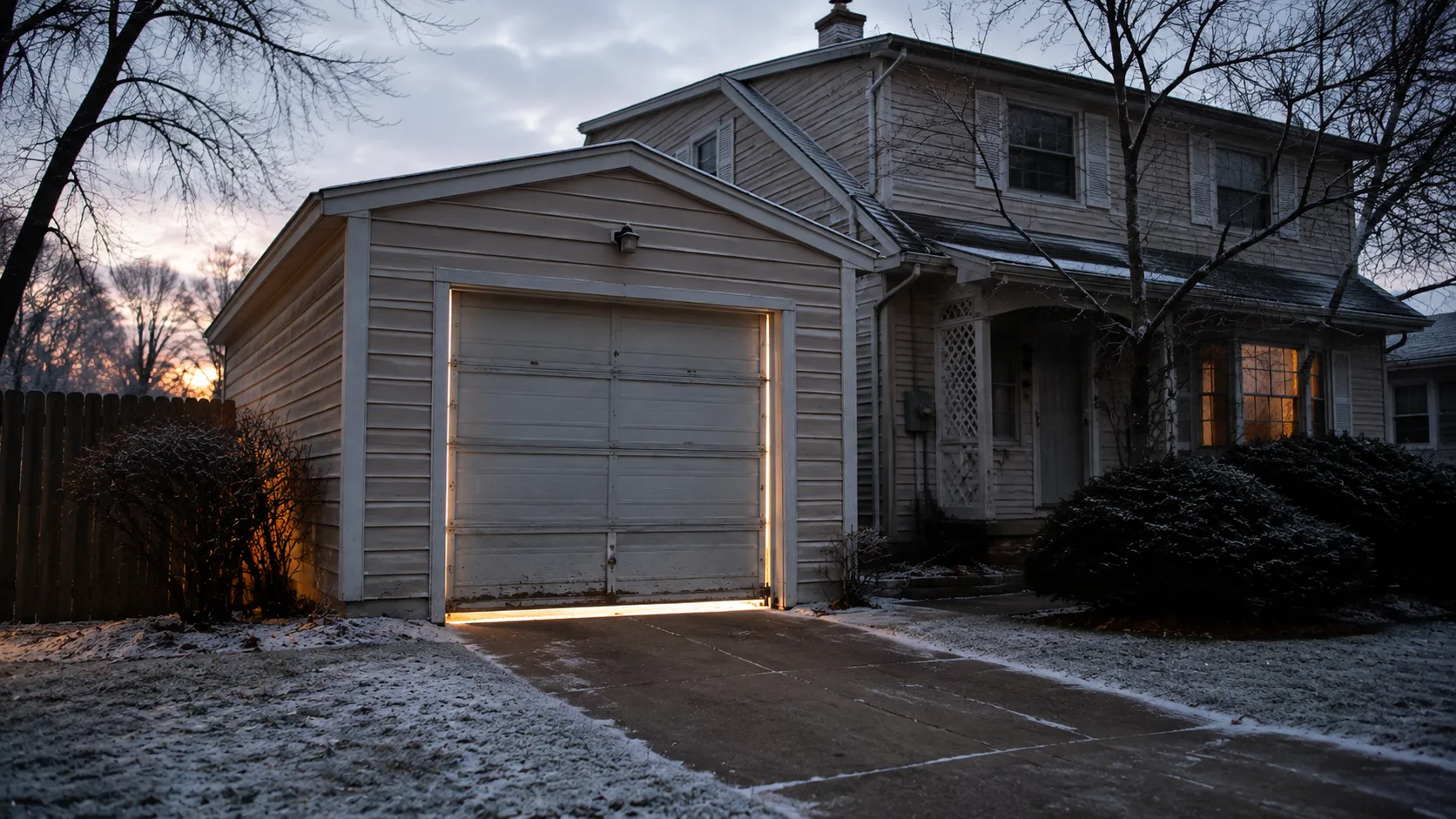
We're not going to hand you a number here that isn't grounded in what we actually see on the truck, and pricing on a repair-vs-replace call depends on spring size, panel material, and whether the opener has to come out too. What we can tell you is how we make the call: a single broken torsion spring on a door that's otherwise tracking straight and sealing well is almost always a repair, full stop. A door with a bent track, a warped panel, and a spring failure all at once is usually cheaper over its remaining life to replace than to patch three separate problems on one visit.
Given that the area's housing sits mostly in that 1979-2005 window, a lot of the doors we're called to are old enough that the second scenario shows up more than homeowners expect. Median household income here runs a bit above $74,764, which is useful context for what a full replacement competes against, but it doesn't set your price - your door does. We'll tell you honestly on site which side of that line yours falls on.
What we find
The Seasonal Bit
This area sits in a climate band rated severe for heat, and that changes how doors fail here compared with a milder climate. Steel expands and contracts through daily swings that can run wide, and torsion springs live under constant tension - heat-cycling that spring day after day is what shortens its working life, not one bad afternoon. Hollow-core steel panels with foam insulation can also delaminate at the seams faster under sustained high heat, especially on doors that came from the earlier end of the 1979-2005 building era, before insulation standards improved.
If your door is sticking at the top of its travel in the afternoon and freeing up again after sundown, that's a heat-driven track or panel issue, not the opener. It's worth checking in summer specifically, not waiting for a cold snap that this area doesn't really get, since the failure pattern here is heat-driven rather than freeze-driven.
How we work
What Is Going On
Put the pieces together and the picture is pretty clear for this area. The housing stock runs mostly 1979 to 2005, with a median build year around 2002, which means most doors and openers are old enough to be near or past their rated hardware life but not so old that parts are unobtainable. Add a severe-heat climate band that stresses steel and foam-core panels faster than a temperate climate would, and you get failures that look premature but actually track with age plus heat load, not bad luck.
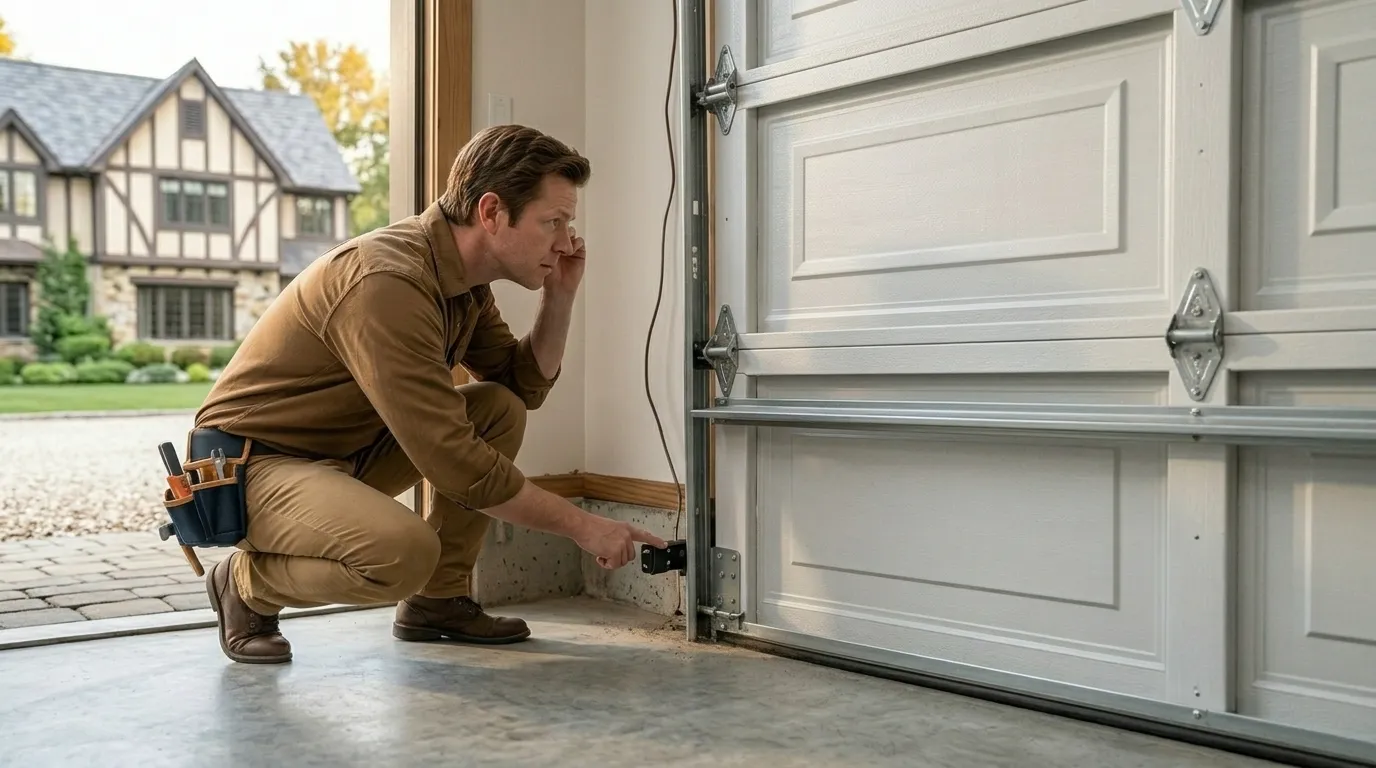
With roughly 40,189 owner-occupied houses among this area's 50,879 households, that's a lot of doors sitting in exactly that window right now. One honest limitation: we can't always tell over the phone whether a sticking door is a $200 spring fix or a full replacement - some of that only shows up once we've got the door up and the springs unloaded, so a quick look on site is the only way to give you a real answer instead of a guess.
Questions
Common questions
My house was built around 2000 - is the original door worth fixing?
Usually yes, if the springs are the main issue and the track and panels are straight. A door from around 2002 is old enough to need a spring replacement but young enough that the panel and track are usually still sound. We check both before recommending anything.
Why does my door struggle more in summer here than it used to?
This area sits in a severe-heat climate band, and steel torsion springs and foam-core panels both react to sustained high heat - the metal cycles and the foam can loosen at the seams. It's a heat-driven pattern, not a sign the door is failing all at once.
Is it cheaper to fix an old spring or replace the whole door?
Depends on what else is wrong. A single spring failure on an otherwise straight, well-sealed door is almost always a repair. If the track's bent and the panels are warped too, replacement often costs less over the door's remaining life. We'll tell you which applies once we've looked.
Ready when you are
Need a garage door sorted in Peoria?
Peoria Garage Door Pros repairs and installs garage doors, springs and openers in Peoria, AZ and the surrounding area.