
Motor and board interior prohibition
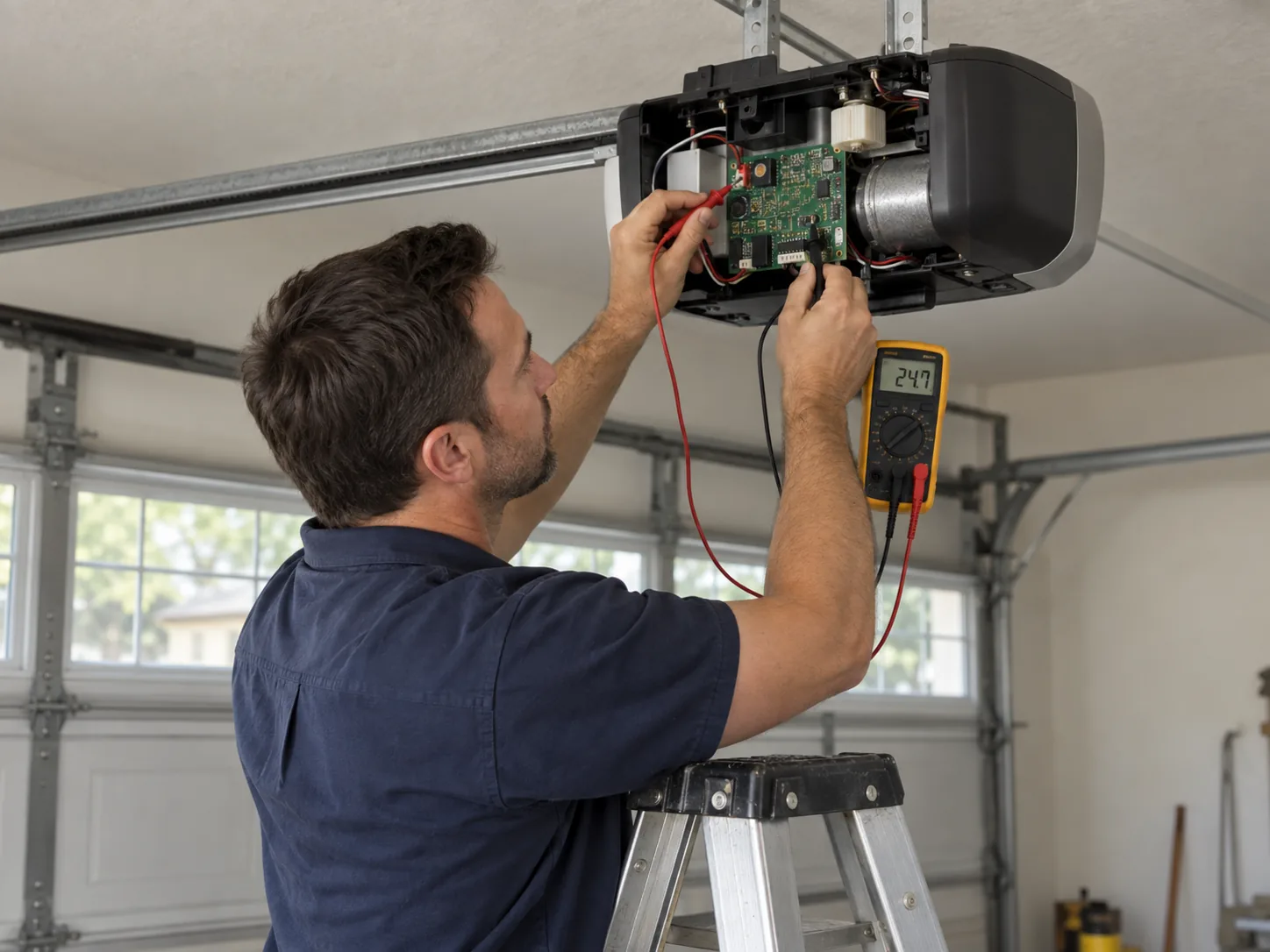
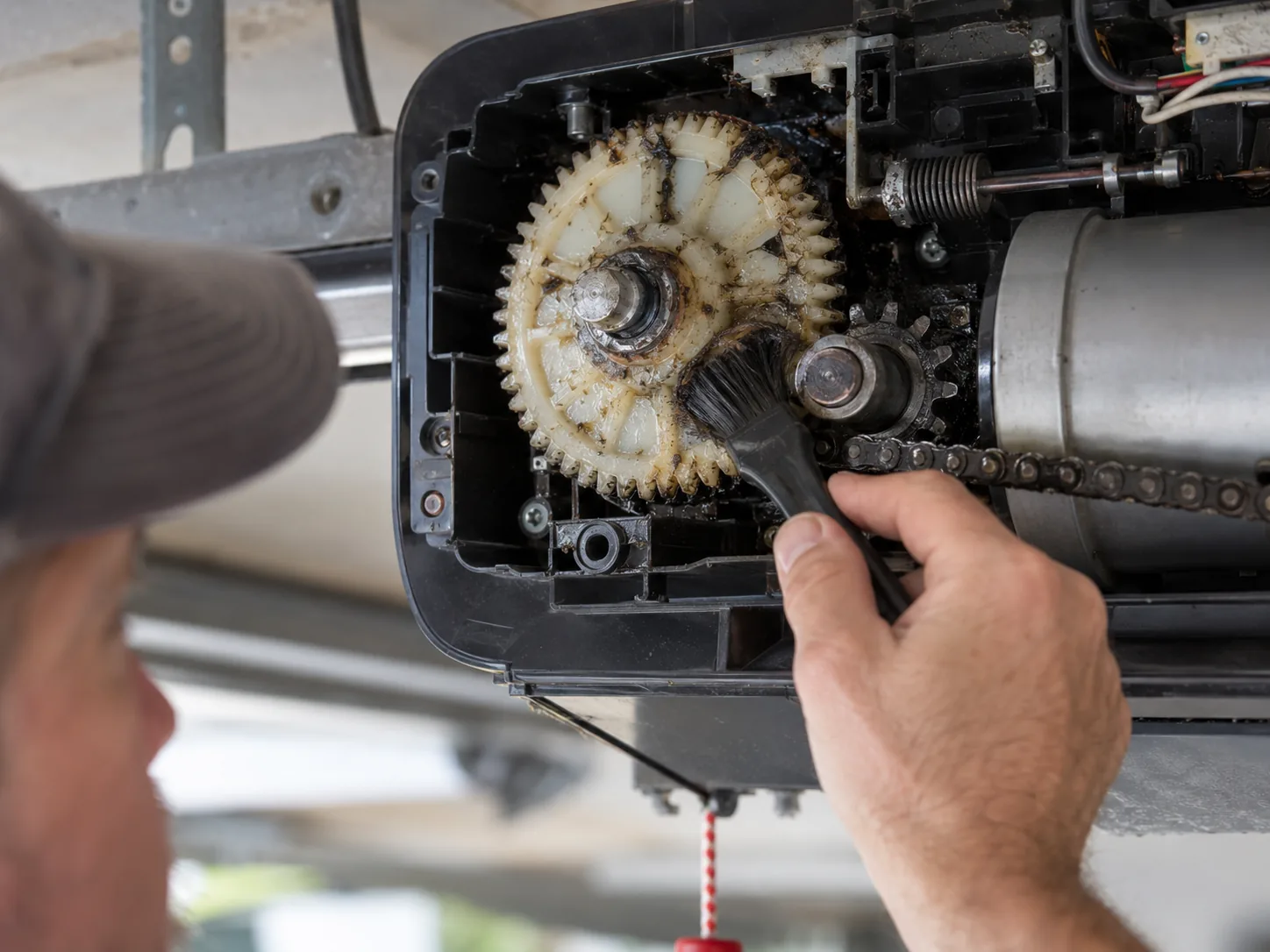
What we don't recommend touching yourself is anything involving the motor housing, the logic board, or the drive gear assembly on a chain or belt unit, especially if the door is a heavier double door.
Anthem, Peoria
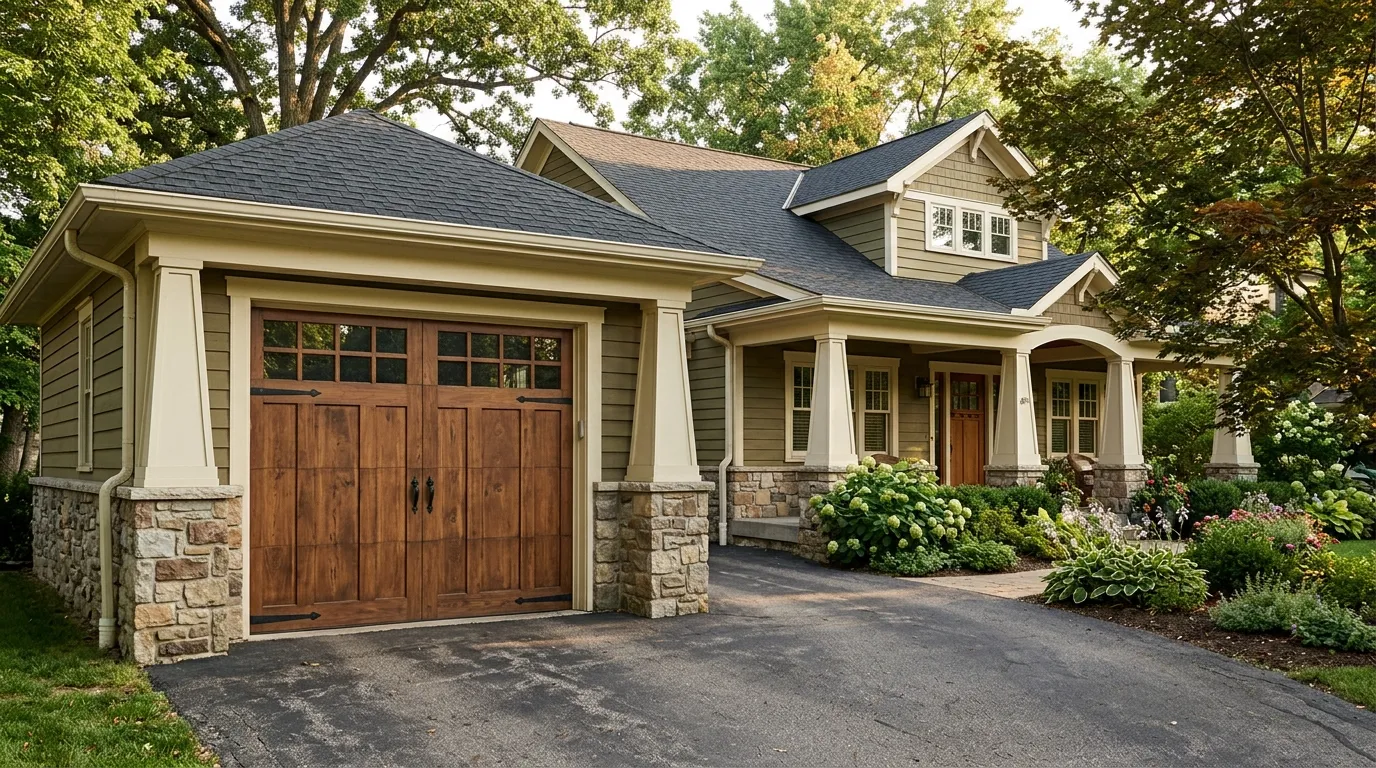
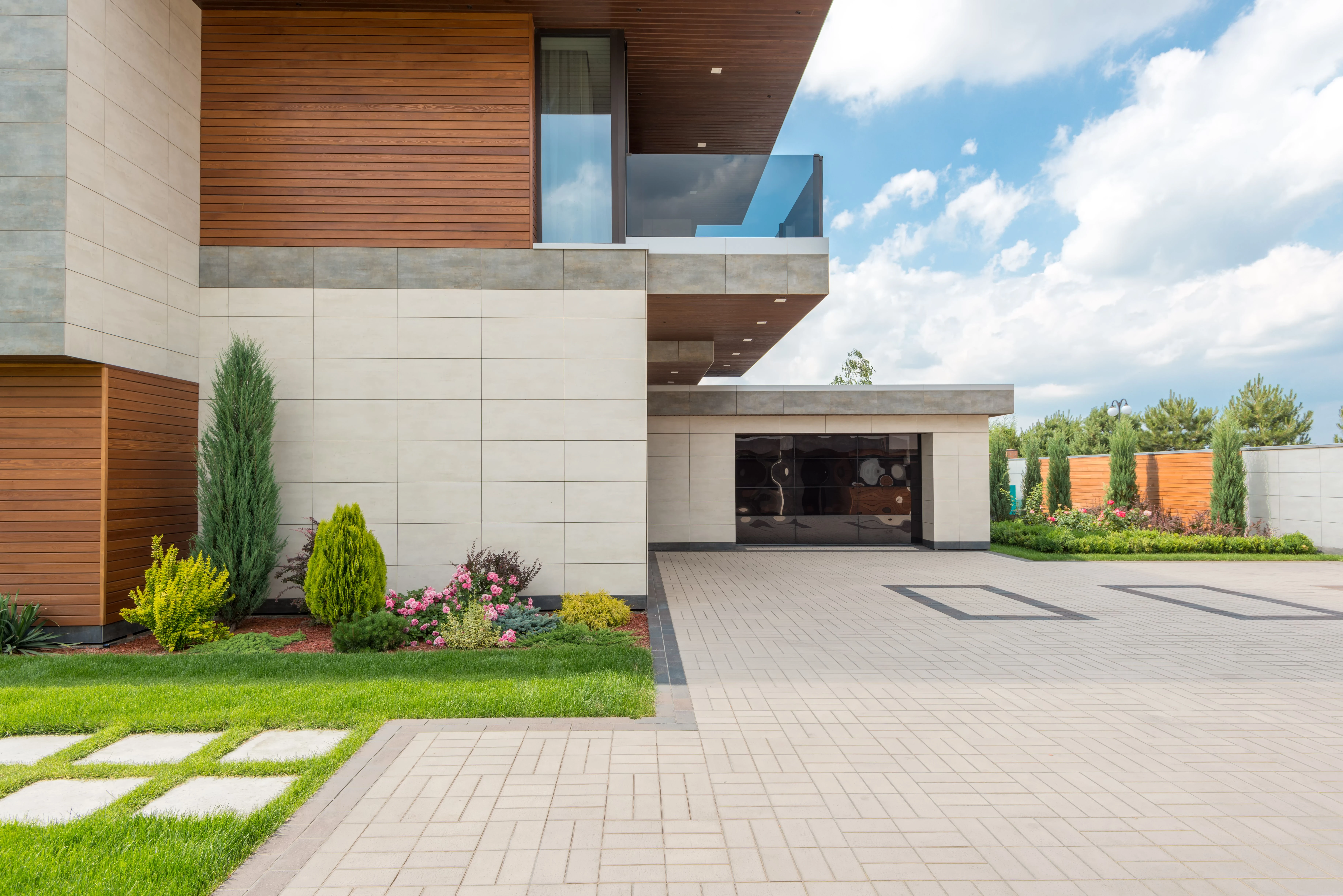
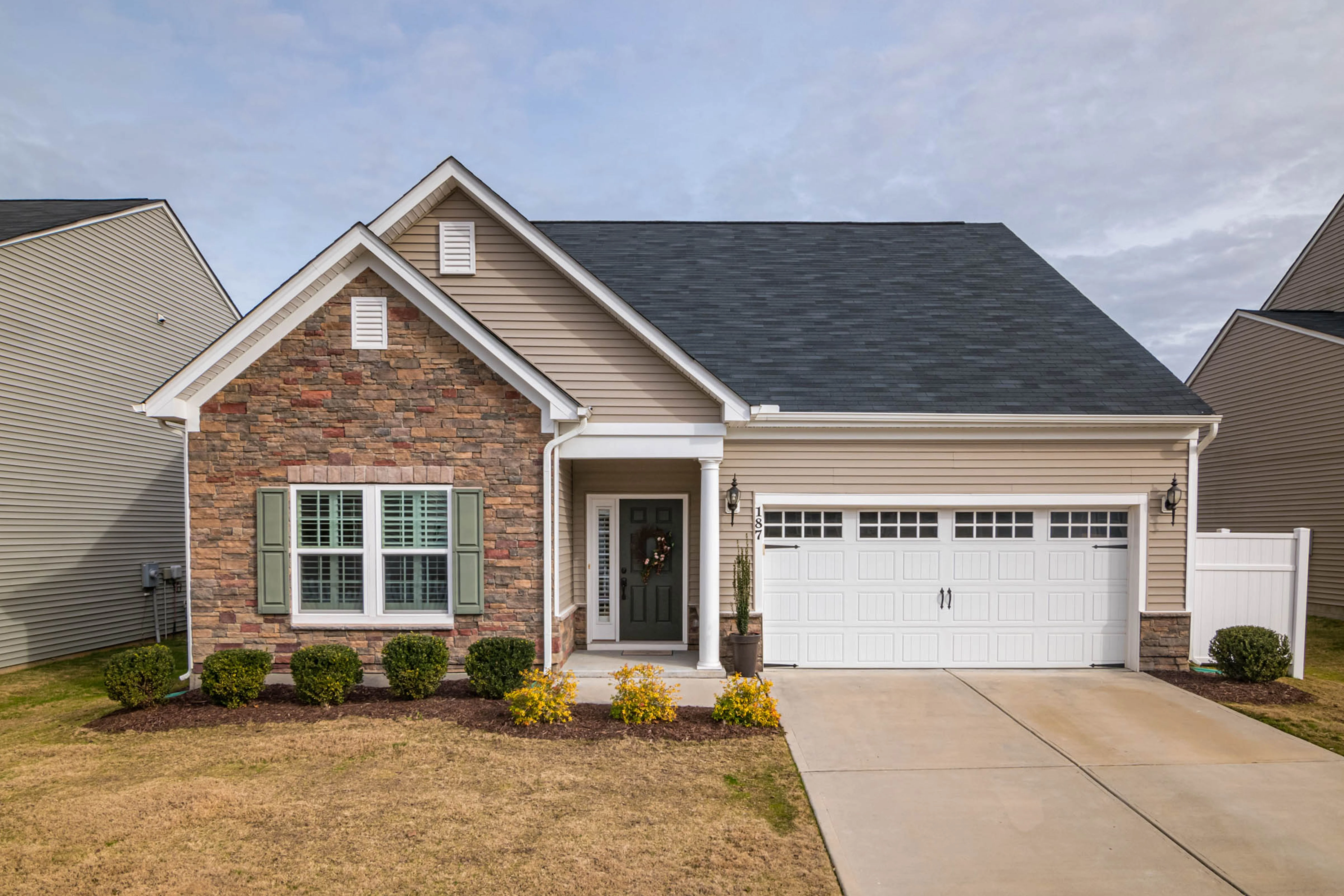
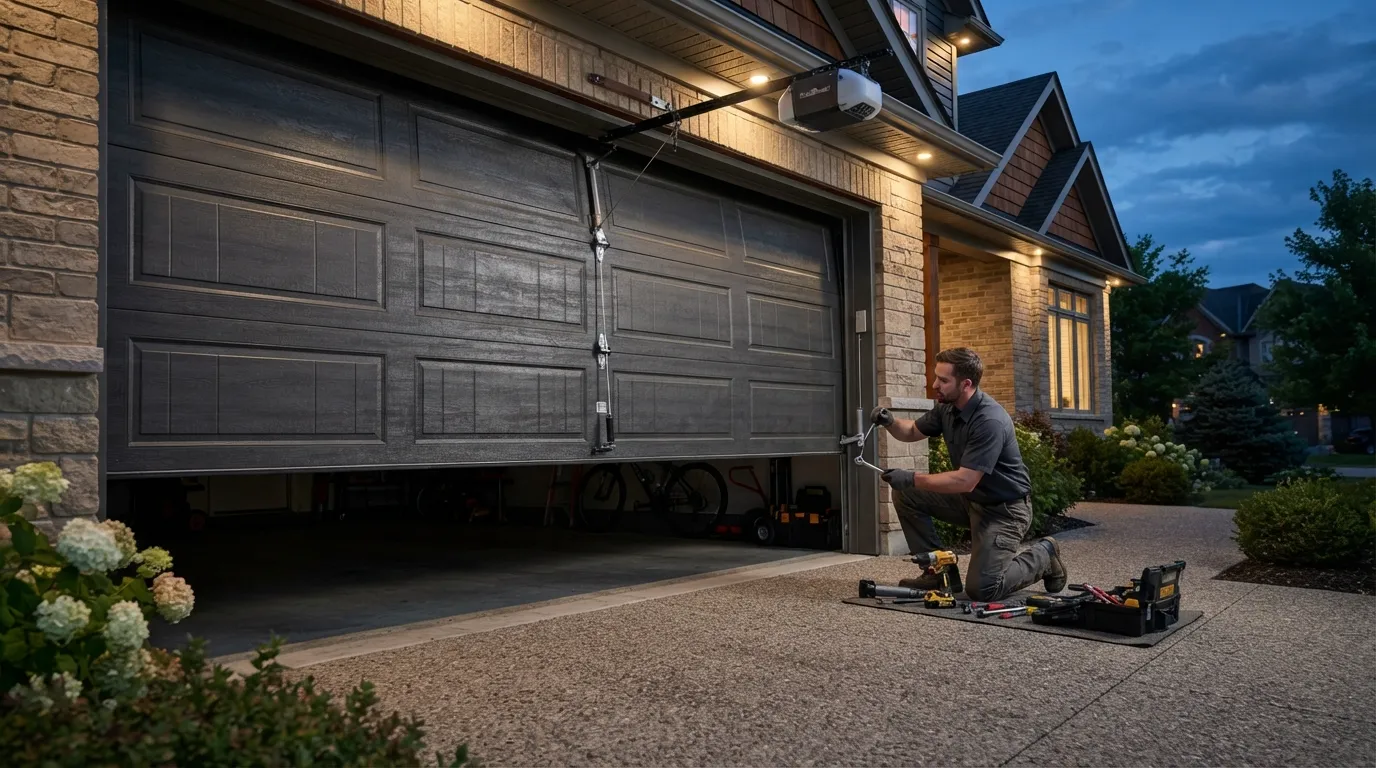
Opener repair for Anthem homes built mostly in the early 2000s. We run the 11-mile drive from Peoria and know how the heat here wears on logic boards and gears.
Pricing
We don't quote opener repair over the phone without seeing the unit, and we won't pretend otherwise here. What we can tell you is what drives the price in a neighborhood like Anthem: most of these houses went up in 2004, right in the middle of the broader area's 1979-2005 build window, which means openers of a certain age and a certain style of drive gear that wears the same way house after house. A stripped plastic gear on a chain-drive unit is a cheap part and a short job. A fried circuit board, a burnt-out capacitor, or a motor that's seized from years of summer heat cycling is a bigger bill because the whole head unit usually needs to come out. We'll tell you which one you've got before we touch anything, and if replacement is the better money than repair, we'll say so instead of running up a repair ticket on a fifteen-year-old motor that's going to fail again in a year.
Booking
We work Anthem out of our Peoria base, and it's an eleven-mile drive each way, so we schedule these calls in blocks rather than promising a truck can swing by on a whim. Tell us the opener brand if you can see it on the housing, whether the door moves at all when you hit the button, and whether the light on the unit blinks a code - that alone often tells us what we're loading on the truck before we leave Peoria. Call or use the contact page linked below and give us your address in Anthem along with the fault. We'd rather ask a few questions up front and show up with the right part than make two trips.
DIY or pro
Some of this is genuinely DIY. Reprogramming a remote, replacing the batteries in a wall keypad, cleaning the photo-eye sensors at the bottom of the tracks so they stop blinking - a homeowner can do all of that with a screwdriver and ten minutes.
What we don't recommend touching yourself is anything involving the motor housing, the logic board, or the drive gear assembly on a chain or belt unit, especially if the door is a heavier double door.
Openers here in Anthem, going in mostly with houses built in the early 2000s, are old enough now that boards and gears fail from age and heat rather than from anything you did wrong, and opening the housing without knowing the wiring layout risks turning a $150 part swap into a full unit replacement.
If the door itself won't move and the opener motor is humming, stop pressing the button - that's usually a mechanical jam, not an opener problem, and running the motor against it burns it out fast.
Warning signs
The most common call we get from this part of the service area is an opener that runs but the door doesn't move, or moves partway and reverses.
On a house built in the early 2000s, that's usually one of three things: a chain or belt that's slipped off the drive sprocket from age, a logic board that's lost track of the door's travel limits after a power blip, or a capacitor that's degraded from years of attic-level heat above the garage.
Anthem's summers put real stress on anything mounted to the ceiling of an attached garage, and openers are no exception - the heat band this region sits in is classified severe, and that shows up first in circuit components, not motors.
A blinking light with no movement at all is almost always a safety-sensor alignment issue, which is simple. A motor that hums and does nothing is almost never simple.
Watch-outs
Left alone, a struggling opener usually takes something else with it. A motor forcing against a jammed track or a misaligned sensor will burn out its own capacitor faster than normal wear would, and a chain that's slipped and is grinding against the rail can chew through the sprocket teeth in a matter of weeks, not years. We've also seen boards fail outright during the hottest stretch of summer here, which tends to happen without warning - the unit works fine one day and won't respond to any remote or wall switch the next. The failure we can't do much about on short notice is a discontinued board for an older unit; if your opener predates a certain generation of controller, the manufacturer may no longer make that exact board, and we'll tell you straight if we hit that wall rather than stringing out a repair that isn't coming.
Our process
We start at the wall switch and the sensors, because those are the fastest things to rule out and the most common actual cause of a "broken" opener.
From there we check travel limits and force settings on the board, since a unit that's been fighting a slightly misaligned door for months will often show board damage before anything else does.
If the motor or board has failed outright, we replace the head unit rather than patch a board that's already run its full life in this climate - given Anthem's median household income of $117,846, well above the $74,764 median for the wider Peoria service area, most owners here choose a mid-range or better replacement unit rather than the cheapest option, and we stock accordingly.
Either way we test full open-close cycles, reset the safety reversal, and reprogram your existing remotes and keypad before we leave, so you're not stuck buying new ones.
Questions
Anthem sits about 11 miles from our Peoria base, so we group calls out this way rather than treating each one as a standalone trip. It doesn't change the quality of the repair, but it does mean we ask more questions up front - brand, fault, whether the door moves - so we bring the right parts the first time.
Most Anthem houses were built around 2004, so a lot of original openers are now old enough that some board models have been discontinued. We check part availability before we quote a board repair, and if the exact board isn't made anymore, replacing the head unit is usually the faster and cheaper path anyway.
This area sits in a severe heat band, and heat is hard on electronics mounted above a garage. Capacitors and logic boards degrade faster here than in milder climates, so summer failures - a board that just stops responding - are common and usually age-related rather than a sign of misuse.
If the motor or board has failed outright on a unit installed with the house, replacement is usually the better spend - you're not chasing a second failure a year later. We'll look at the unit and tell you honestly which side of that line yours falls on before you commit to either.
Explore more
Ready when you are
Peoria Garage Door Pros repairs and installs garage doors, springs and openers in Peoria, AZ and the surrounding area.